In “Why are Americans interfering with law enforcement?”, Joe Palaggi argues that protests, filming federal agents, and civilian engagement with police activity amount to harmful interference that substitutes activism for formal reform. The Hill published this opinion on February 12, 2026.
But this framing misses the root cause of the unrest. Americans aren’t inconvenienced spectators. They are reacting to what they see as repeated violations of constitutional rights — violations that erode trust in law enforcement and compel citizens to act.
When law enforcement claims it is “only targeting criminals,” yet enforcement actions appear to hinge on race or immigration status or lack clear probable cause, people don’t back down — they record, they ask questions, and they intervene. This friction isn’t interference; it’s accountability in motion.
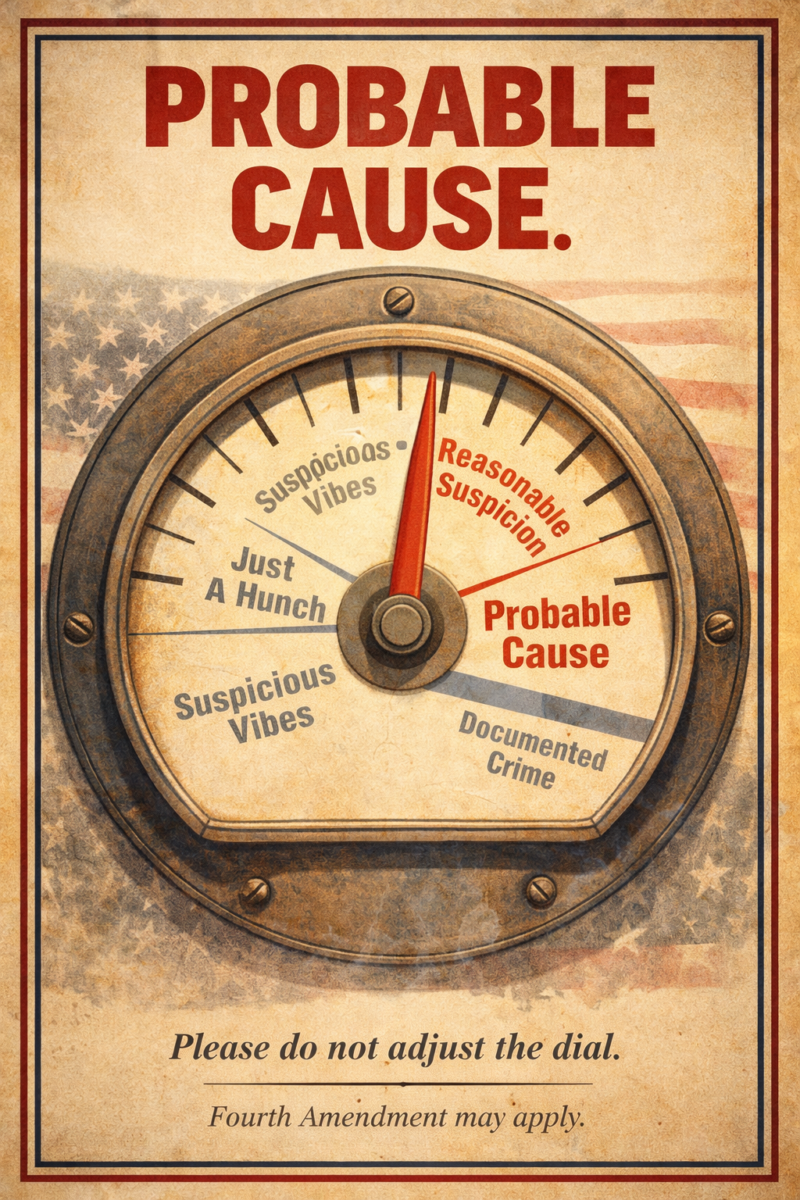
Consider these core grievances fueling public response:
1. Perceived Constitutional Violations
The Fourth Amendment protects against unreasonable searches and seizures. When people see stops without clear evidence of wrongdoing, they believe their rights are being breached and respond accordingly. Courts have repeatedly upheld that citizens filming law enforcement in public is protected under the First Amendment. This kind of oversight isn’t just free speech — it’s civic engagement.
2. Racial Profiling and Disparate Enforcement
Nationwide data has shown disproportionate stops and use-of-force patterns affecting communities of color, leading many to conclude enforcement is uneven. This perception becomes combustible when officials simultaneously deny bias while communities experience something different.
3. Leadership Messaging vs. Public Experience
Officials often reassure the public that enforcement is focused on genuine criminals. But when immigrant communities or people of color bear the brunt of stops, detentions, or aggressive federal operations, that reassurance rings hollow. Public reaction follows not from hostility to law enforcement, but from a belief that enforcement is not operating within constitutional or equitable bounds.
4. Trust Erosion Becomes Self-Reinforcing
Trust collapses when enforcement tactics appear opaque or extrajudicial. Masked agents conducting operations without clear identification. Unannounced home entries that communities describe as raids. Detentions where family members say they were shown no warrant or badge. Individuals taken into custody on the street with little explanation, leaving bystanders confused about whether they just witnessed lawful arrest or something else.
When enforcement actions look indistinguishable from abduction, public suspicion accelerates. When identification is unclear and process is invisible, citizens assume the worst. That breakdown in transparency fuels more filming, more confrontation, and more public scrutiny. Trust erosion feeds itself.
5. The Reality of Public Oversight
Citizen monitoring of law enforcement is not a replacement for policy change — it is part of the accountability ecosystem. Police reforms have long included civilian oversight, body cameras, and transparency measures precisely because public trust matters. When trust erodes, so does cooperation — which ultimately undermines public safety, something both sides claim to want.
If law enforcement wants less interference, the answer is not condemning civilians. It is aligning practice with the Constitution they are sworn to uphold. When enforcement actions are lawful, transparent, and clearly documented, public scrutiny naturally decreases — because scrutiny becomes unnecessary.
Americans are not interfering because they oppose law and order. They are responding because they fear the law is being applied without consistent constitutional guardrails.
And when citizens feel those guardrails are gone, they don’t step aside. They step in.